A co-operative fights off coyotes!
Double-click to edit...
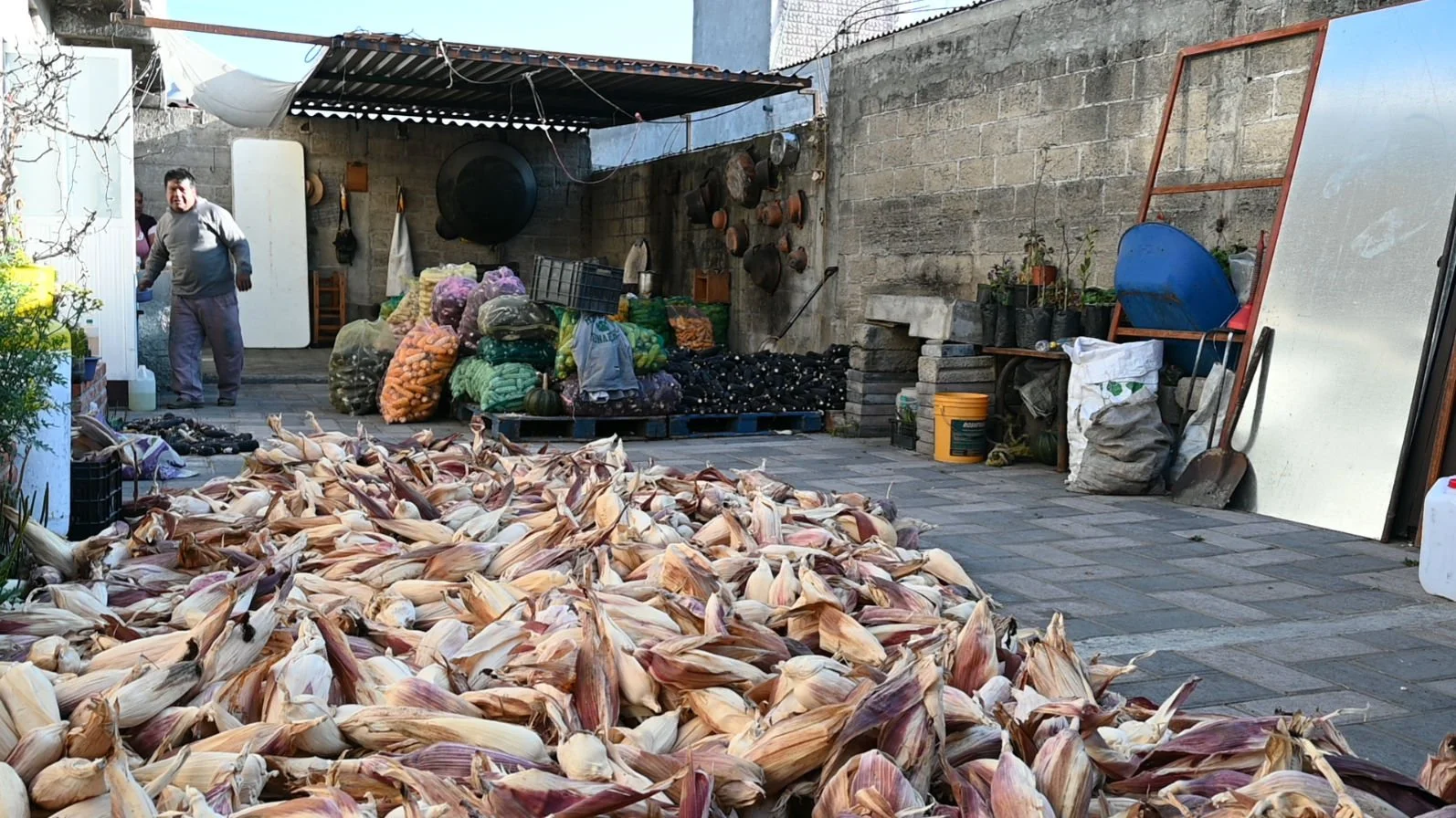
San Mateo Ozolco is a picturesque village in the foothills of the Popocatépetl and Iztaccíhuatl mountain range. Towards the road, high walls shelter the farmhouses from view, and finding a particular address isn't easy. But once we step through the narrow door at Fernando Hernandez' farm we find ourselves in a wide, sunlit courtyard where the harvest of white, red, blue and black corn is spread out for drying. The bean crop will be next. Paty Hernandez, one of the founders of the Mazolco co-operative (and not related to Fernando) is running a little late. She's stopped by the local baker to get a big bag of fresh maize flour sweet breads. Over breakfast she tells us why in 2013 a group of young people in the village decided that radical change was needed if growing heritage corn and beans was to have a future in Ozolco.
"Heritage corn is part of our identity"
Paty and Fernando speak not only Spanish, but also Nahatl, the language of the indigenous Aztec people. Corn still plays a central role in everyday life, as food and culturally: corn is part of the Aztec origin myth.
Ozolco has about 500 inhabitants, and for a long time at any given moment around one third of them worked as undocumented labourers in the US. "You couldn't make any money in farming, the only way to sell our produce was through the coyotes (middlemen), and they paid next to nothing. We are proud of our heritage corn and beans and we decided that the only way forward was to add value and produce food items rather than just ingredients", says Paty. From the initial idea to the first batch of products ready for sale it took two and a half years. "We had no clue about anything, how to make a product, how to calculate a price, how to market and sell it. We had to teach ourselves and learn, and a lot of that was by trial and error". Paty and her colleagues first took boxes of Mazolco tostadas and tacos to small shops in the region but nothing sold well. The big breakthrough came in 2017 with a small stand at the annual corn festival in Mexico City: several chefs from renowned restaurants started buying their corn chips, and shops specializing in traditional food products also showed an interest.
Beans, sesame, and amaranth
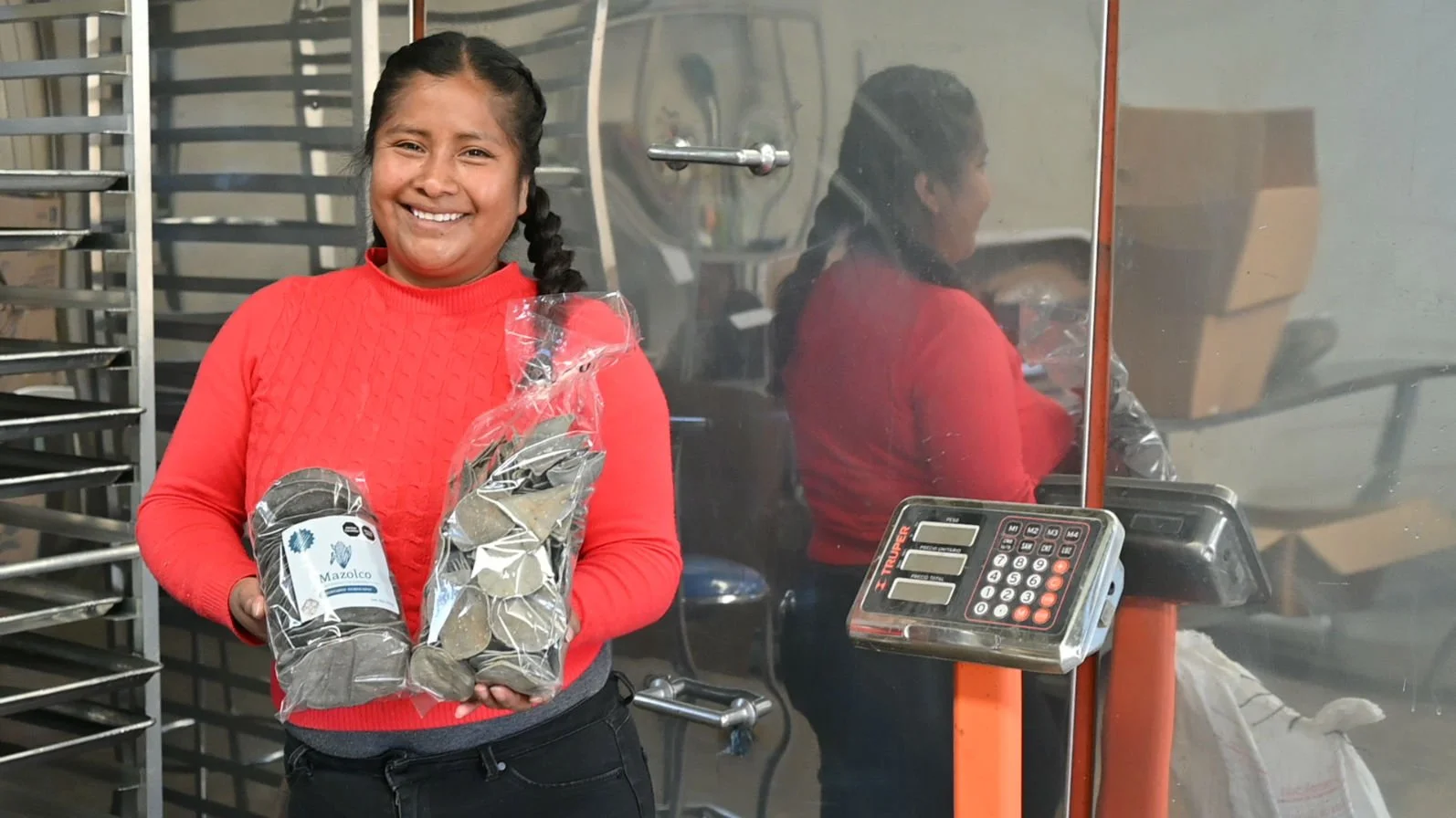
The Mazolco team started looking for an industrial unit for making corn chips, tacos and tostadas and found a used one for just under 24.000 Euros. Part of the sum could be financed through a government grant, the rest came through the earnings from a big fiesta as well as interest free credits granted by friends and neighbours who at the time worked as undocumented labourers in the US. These days the unit is in use year round, four to five days a week. The first step is the nixtamalization: the corn is soaked and cooked in an alkaline solution such as limewater to make the nutrients more accessible.
Mazolco not only wants to work with traditional ingredients but also make really nutritious products. Ayocote beans are both, nutritious and part of the age old food culture of the region. Fernando therefore developed a new recipe that adds beans, amaranth and sesame to the corn tostada dough - all ingredients grown on fields around Ozolco.
Home made: bio stimulants
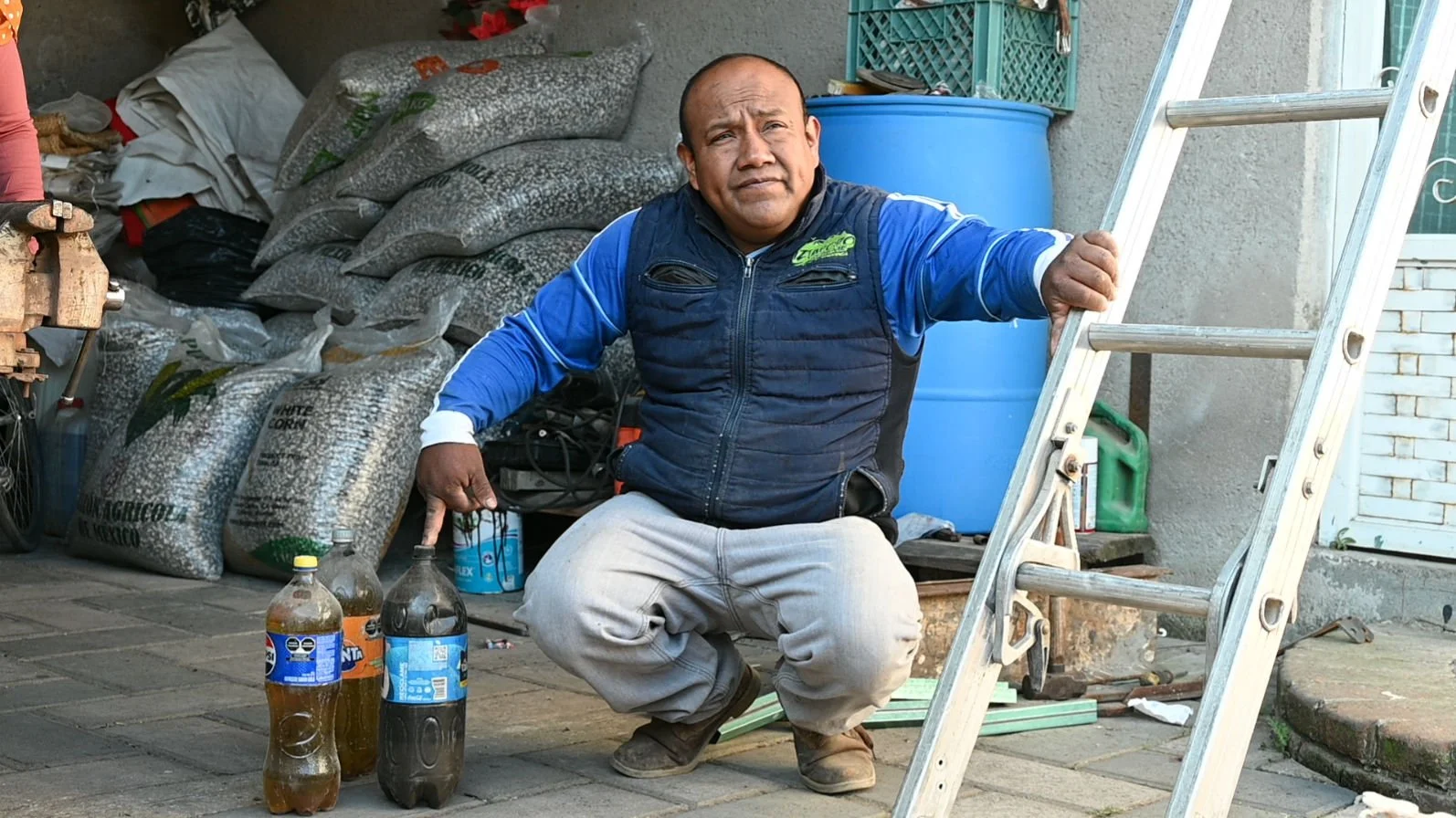
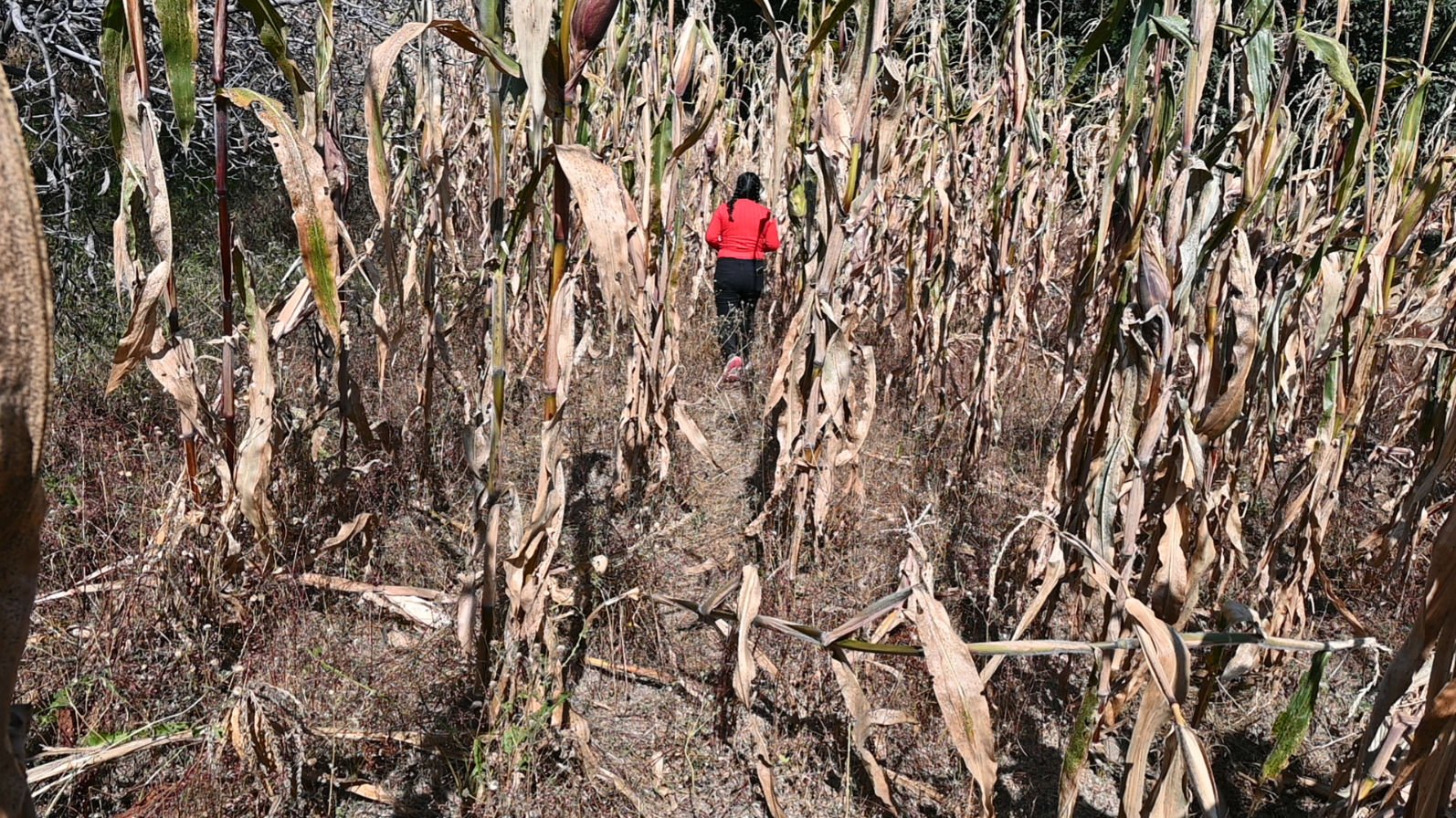
Mazolco works with 30 farmers who produce corn and beans in the traditional milpa system, also known as 'the three sisters': the corn supports the bean plants and profits from the surplus nitrogen beans produce in the nodules of their root system, and the large leaves of the squashes shade the soil which helps conserve water and suppress weeds. Six years ago, the Mexican ministry of agriculture sent out teams to teach villagers how to make Bokashi and other bio stimulants. Since then they've come to Ozolco once a week for two to three hours, says Fernando. "In the first year they took us to the National Park, which is quite close to our village, and showed us from under which trees to take a little bit of soil and how to mix it with molasses, yeast, manure and water. We use this Bokashi compost when we plant the seeds and the results are fantastic". The government advisors also bring some of the ingredients which are needed to make bio stimulants. In the court yard of his farm Fernando shows us several bottles in which herbs and other ingredients are at various stages of a fermentation process. When the solutions are ready they will be diluted with water and sprayed once a week during the growing season. "Our input costs have been halved", says Fernando. He used to spend between 5.000 and 7.000 Pesos (Euro 250 - 300), today it's only about 3.000 Pesos (Euro 150) and "everything grows so much better, the corn kernels and beans are much bigger and the bean pods hold more beans".
A village changes
The coyotes no longer come to Ozolco, says Paty, they know that we won't sell to them because we now market our own products. Among the beans Mazolco grows for The Heirloom Bean Co. are the colourful 'ensalada' beans, a heritage variety that can have pink, white, yellow and speckled beans in a single pod. Another rare bean are pitzahuaquetl - which simply means 'little bean' in Nahuatl. So far farmers grow this variety only for their own consumption, but it might be a good bean to have for sale too: sown in March and harvested in November it takes seven months to grow, it has excellent taste and is resistant to pests.
Sharing beans
Resilience is much needed: because of the climate crisis, weather patterns have become increasingly unpredictable. The Heirloom Bean Co. will share the risk: through our Mexican export partner we pay a Fair Trade premium to co-finance an advance at the time of planting. In case of crop losses because of a severe weather event the advance does not have to be repaid.
There are still young people who go to the US to work for a while, it's almost like a rite of passage, says Paty. But because of Mazolco, staying in Ozolco now is an option, too. Others see a chance to return. Fernando's parents left the village to find work in Mexico City, Fernando remained in Ozolco and lived with his grandparents until he was eight and old enough to join his parents. He went to school in Mexico City and then trained as a welder. "I missed my grandparents and I always wanted to return to Ozolco", he says. Fernando works for Mazolco, looks after the family's fields and there is always some extra work for a skilled welder. Young people once again have a future in Ozolco - including a bakery where you can buy fresh sweet bread in the morning.
Words by Marianne Landzettel; photos by Martin Kunz