Combining traditional knowledge with modern research - our latest Mexican producer story
Double-click to edit...
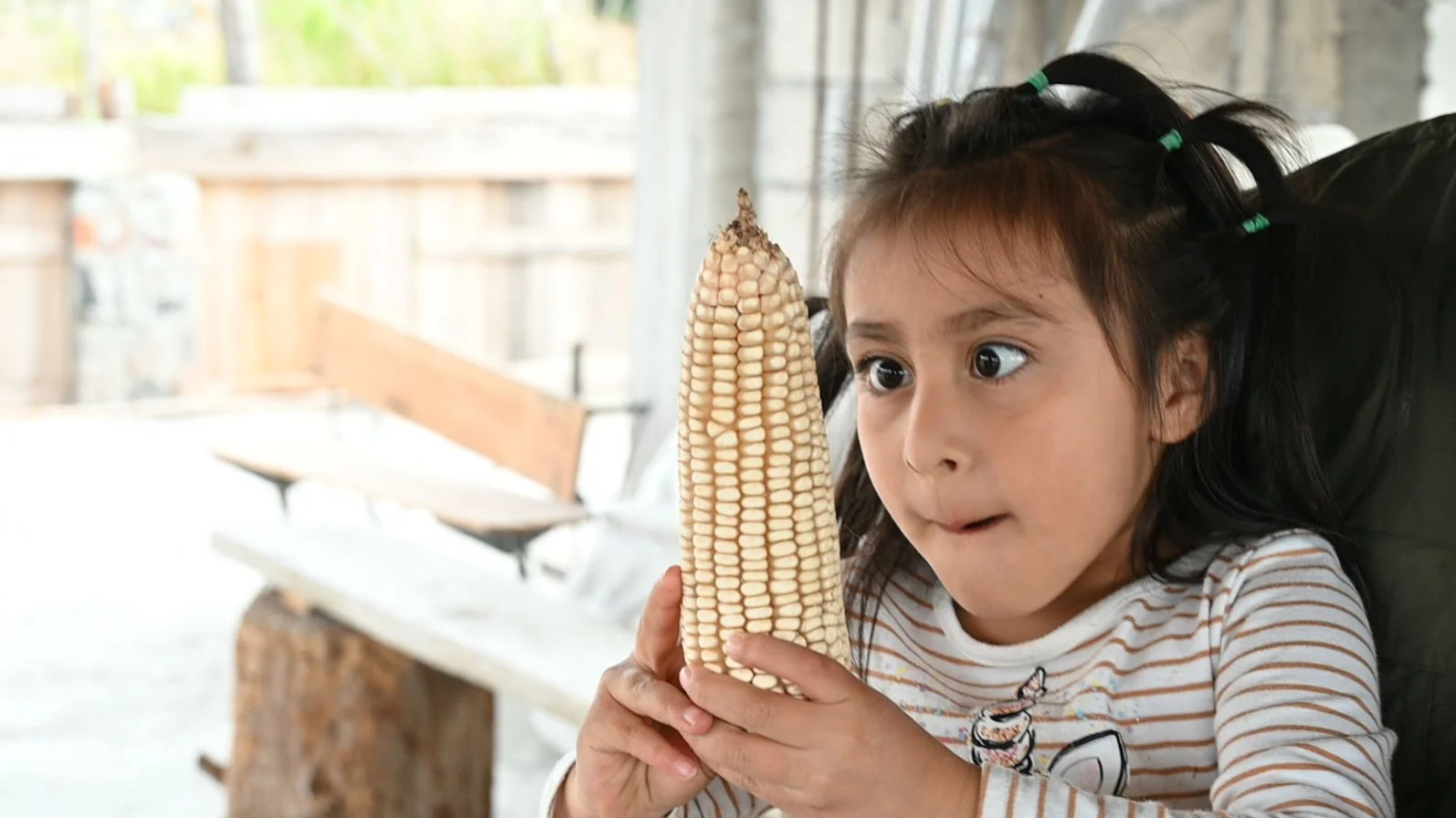
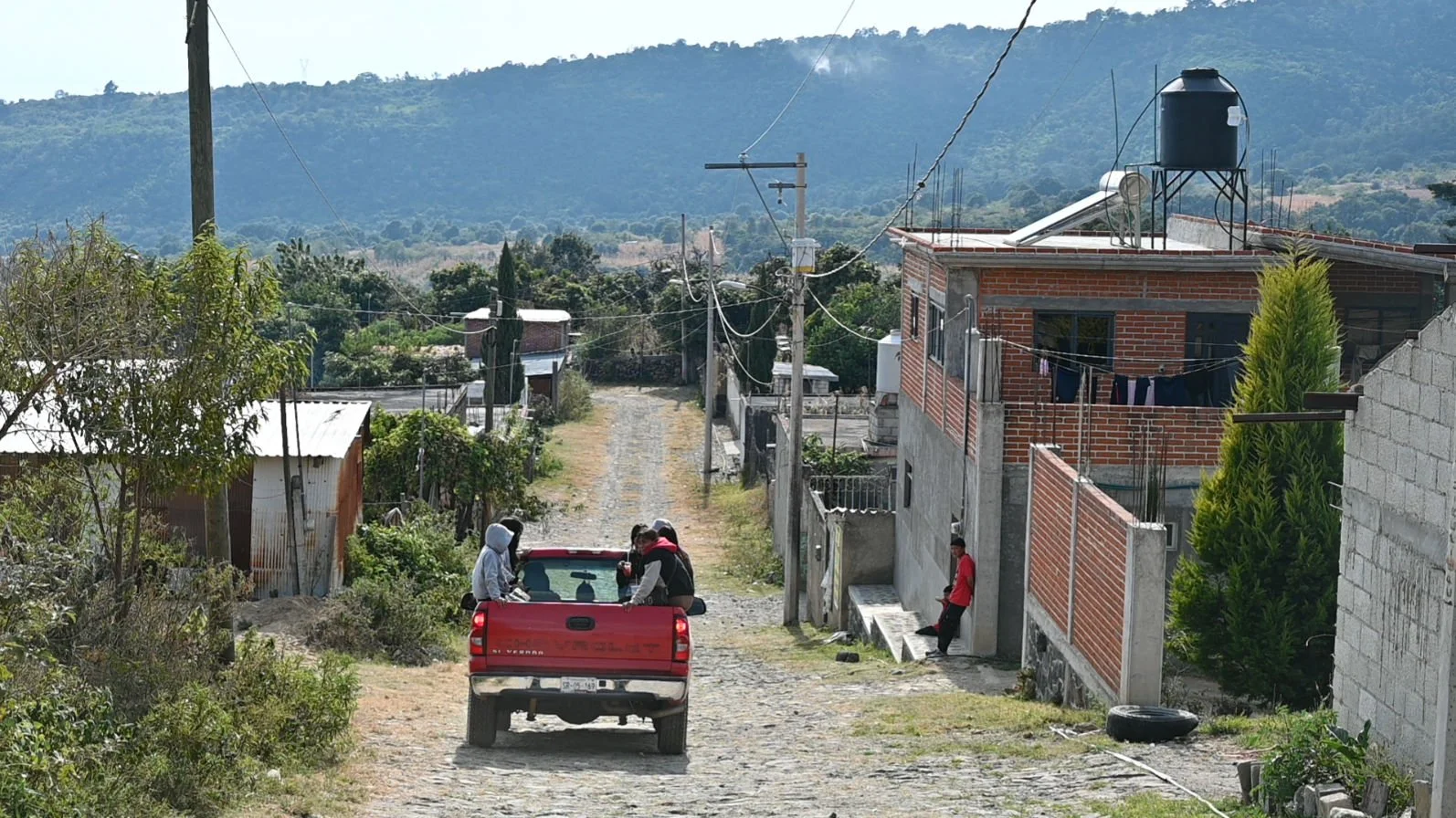
Edgar Montes Silvestre and his brother Pedro farm 10 hectares of land in the mountains near Atlixco, a beautiful town some 160km southeast of Mexico City. Five hectares are rented land, the other five belong to their 70-year old Dad, Pedro, who still keeps a watchful eye on the farm and the decisions the brothers take.
The old farm building sits on a steep hillside. We talk in the shade of a lofty veranda which Edgar had built for family gatherings, but also for farm groups to meet for lectures and other events.
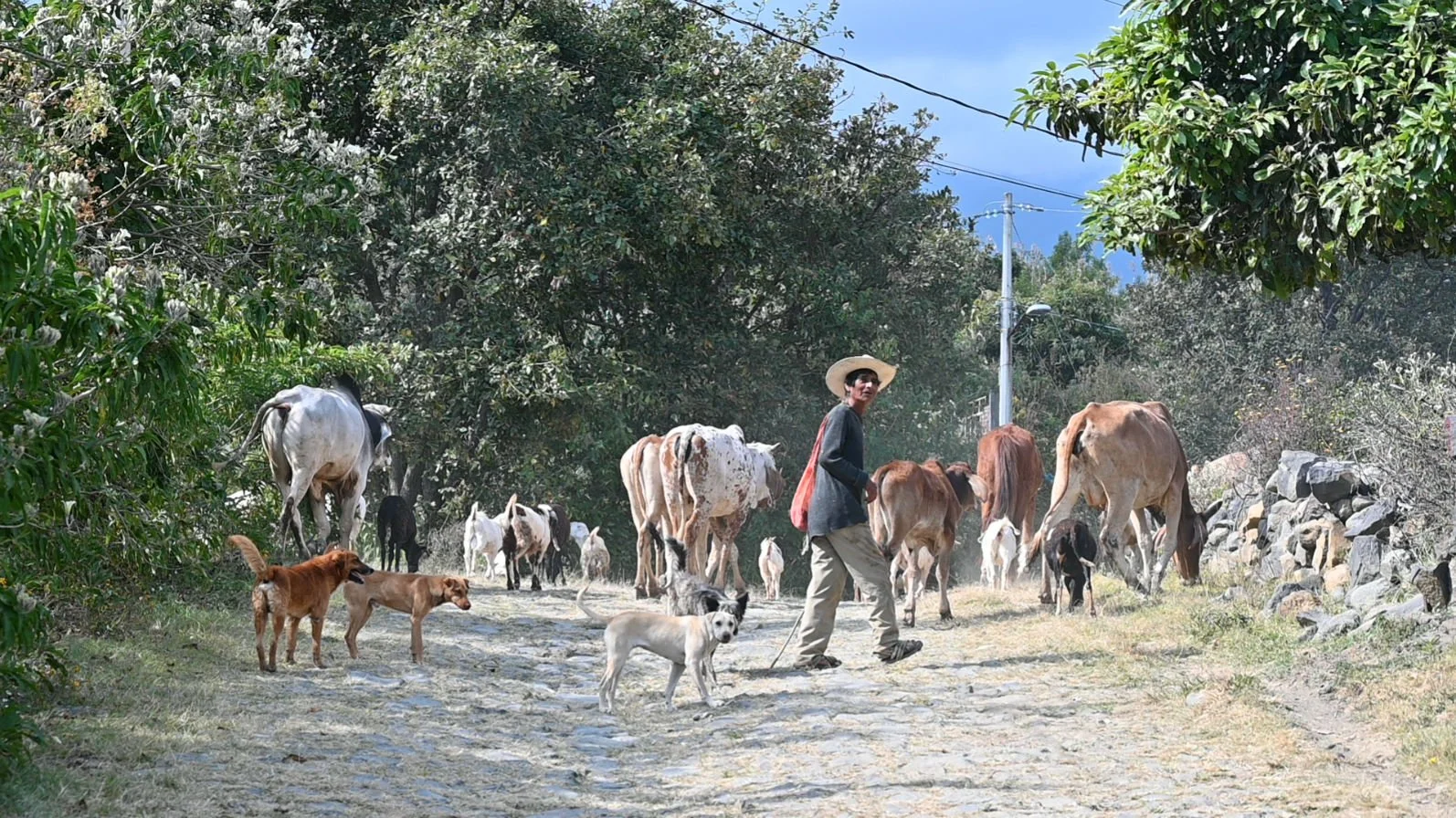
From their stalls below the 35 hardy Mexican Pelifolk ewes and three rams make their presence known, feeding time is approaching. Montes Silvestre sells breeding animals, the ewes are excellent mothers, the male sheep go to slaughter and the meat is popular because of its quality.
On six hectares the brothers grow traditional corn varieties, mostly white, but also some red and blue. 150 avocado trees provide the farm's main income, but everybody's favourite crops are heritage beans. The family has one hectare of bush beans, Ayocote Negro and Mantequilla. On a second hectare Rainbow Ayocote, Palacio and Vaquita Negros and Rojos are grown in a traditional milpa or 'three sisters' system of corn, beans and squashes: the corn supports the bean plants and profits from the surplus nitrogen beans produce in the nodules of their root system, and the large leaves of the squashes shade the soil which helps conserve water and suppress weeds.
Edgar loves the life on the farm and the milpa system which he learnt from his grandfather. If he could he'd grow all beans this way but unfortunately that's financially unviable: the bush beans yield one to one and a half tons of beans and the harvest is less labour intensive. At present the milpa system yields just 250 to 500kg of beans. He could easily increase the planting density and harvest up to a ton of beans, but as he hasn't got a guaranteed buyer he sees no point in doing so.
Here, too, the biggest problem is the cost of labour, and while traditionally everyone in the region worked with the milpa system, fewer and fewer growers now do so: many retire, others just find it's too much work for too little profit. What Edgar and Pedro like so much about growing corn and beans together is that they save on fertiliser and don't need to apply pesticides - ayocotes and vaquitas are more resilient, bush beans are more vulnerable and require both fertiliser and pesticides. In addition, the milpa system provides risk insurance: if one crop doesn't turn out great, one of the others likely will, there will always be something to harvest.
These days, resilience within the farming system is needed more than ever. Because of the climate crisis not just the weather patterns have changed. In winter temperatures in the region used to go down to zero degrees and in spring it warmed up gradually, says Edgar. Now, temperatures in February and March can be as high as during the hottest months of the year before the rainy season starts in June. Droughts are more frequent as are extreme rain events that cause flooding in low lying areas. "We can cope with it here because our fields are on slopes", says Edgar.
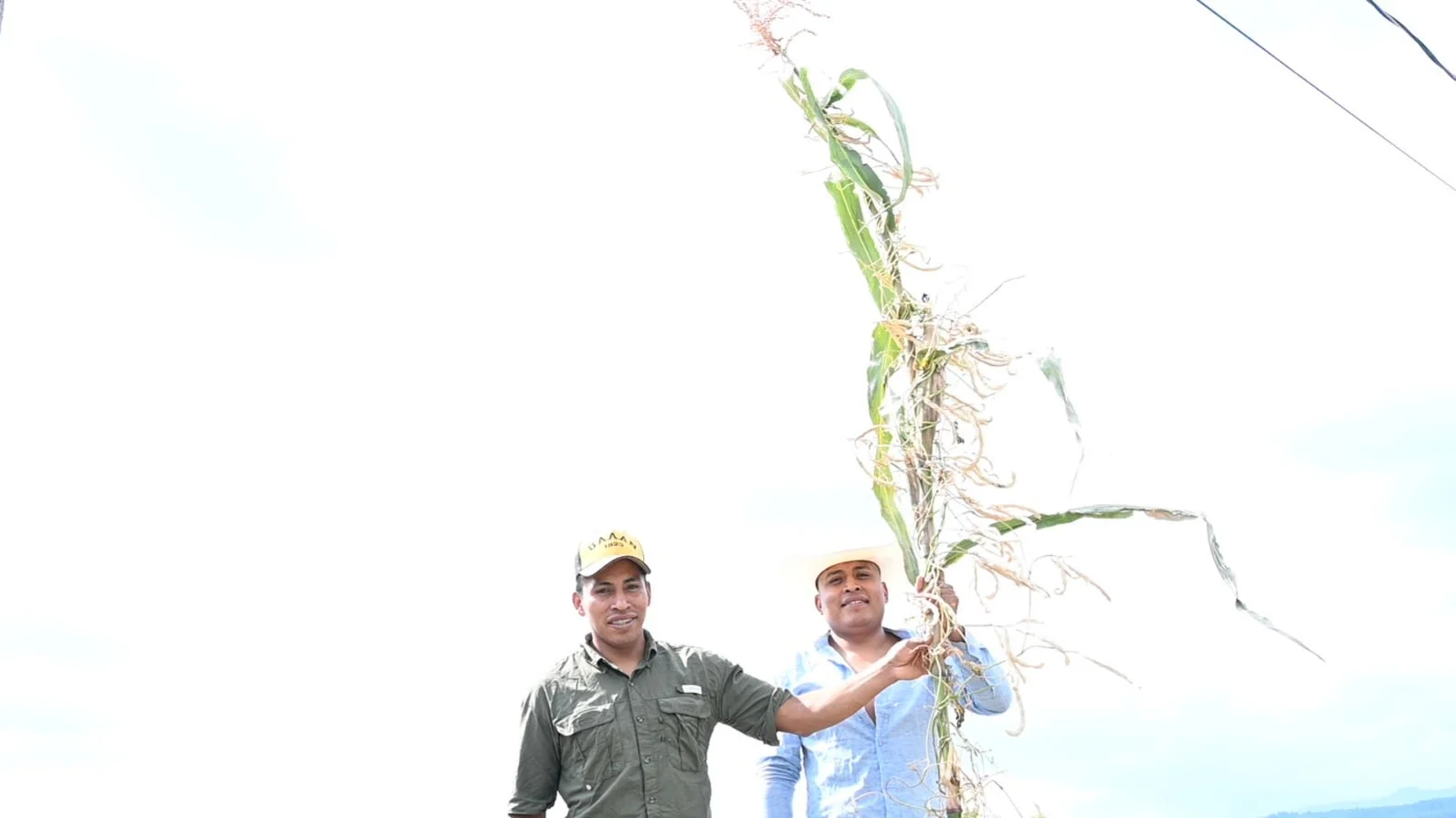
When he graduated from school Edgar went to a nearby agricultural college, hoping he would learn how to work more efficiently with the milpa system. He was disappointed to find out that traditional farming methods were not covered in any of the courses and researchers aren't interested in the topic either. "But I learnt a lot about plant physiology and soil biology, I know how to enhance the soil and feed the plants really well", he says with a broad smile. He is also extremely good at seed saving, choosing those from plants which are well adapted to the local microclimate and soil condition. Farmers are well aware of this and regularly buy corn and bean seed from him.
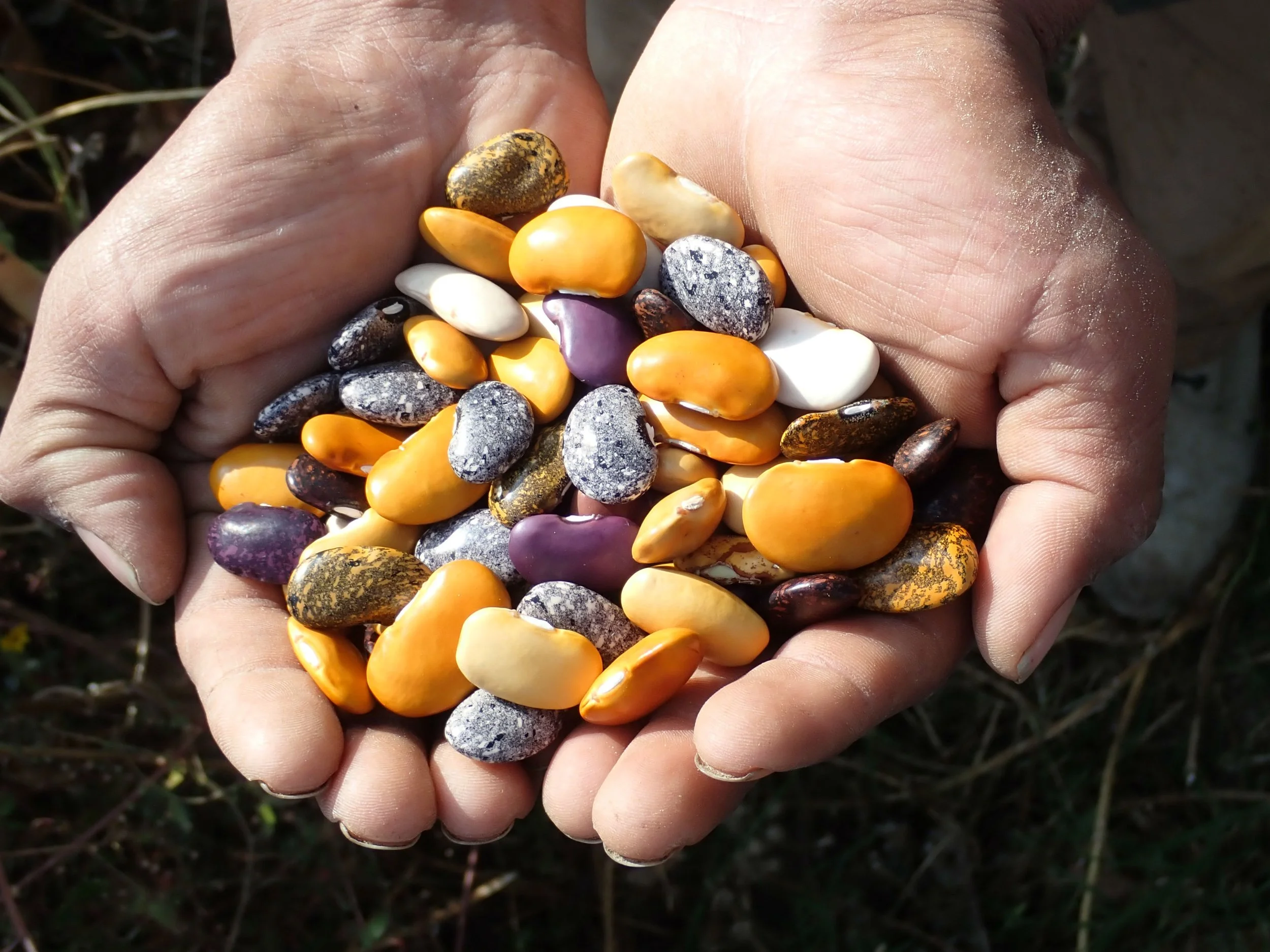
For Edgar the milpa system holds a lot of possibilities which he would love to use if and when the money is right. At present he focuses on one or two varieties which he knows how to grow well because he wants to have a quantity of 500kg to one ton to sell, it's more economical. He could grow Rainbow Ayocote, an amazing variety where one can find beans with several colours - yellow, white, brown or speckled in a single pod. It's a finicky crop: because the pods are so heavy they can topple the corn plants which grow up to 4m high and because Edgar and Pedro interplant with squashes they have to space the corn plants which makes them more prone to wind damage. But the brothers are willing to take the risk if it helps to keep the 'three sister' tradition alive and functioning. And The Heirloom Bean Co. will share the risk: through our Mexican export partner we pay a Fair Trade premium to co-finance an advance at the time of planting. In case of crop losses because of a severe weather event the advance does not have to be repaid.
Words by Marianne Landzettel; photos by Martin Kunz