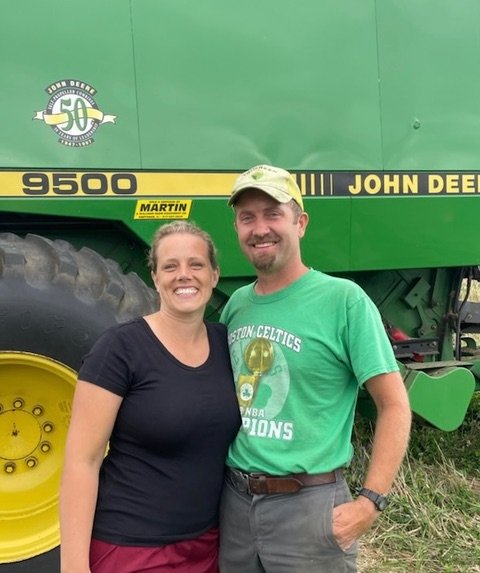
Seth Johnson always knew that he wanted to farm, "I knew since I was a kid". A dream his parents took seriously, but it took time and some cruel twists of fate to make it come true. Today, Seth, his wife Jeanette and their four kids live not far from the Canadian border in an area known as the ‘Northeast Kingdom of Vermont’. "It's beautiful here", says Seth, "about half is open landscape with fields and pastures, the other half is wooded".
Seth and Jeanette farm 160 ha of land, half of it the family owns, the rest is rented or leased, "we are dealing with eight to ten landlords". On 40 ha he grows beans, corn, wheat and sunflowers for cooking oil, 120 ha are grassland from which he makes hay. Growing organic grains and beans are at the heart of what Seth and Jeannette do, but grassland, hay and a small Angus herd are a vital part of the mix.
‘The soil is the thing you try to nurture, healthy plants are just a by-product’
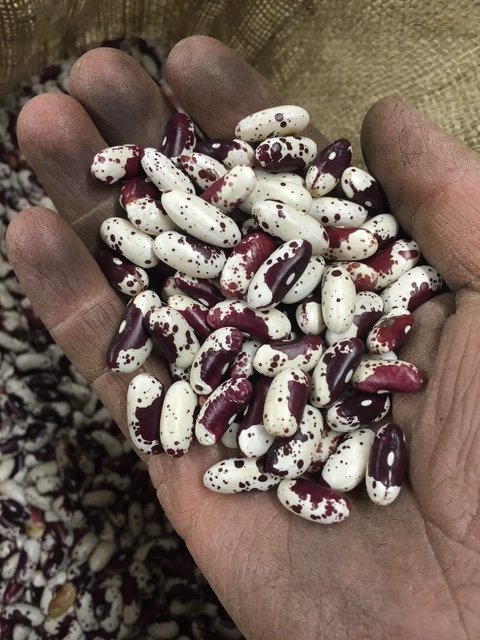
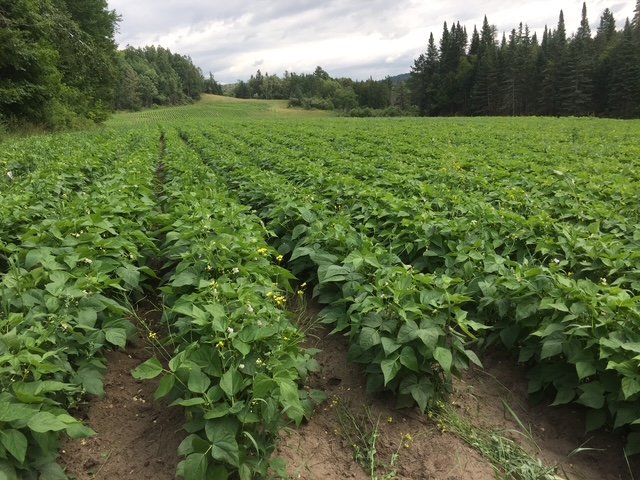
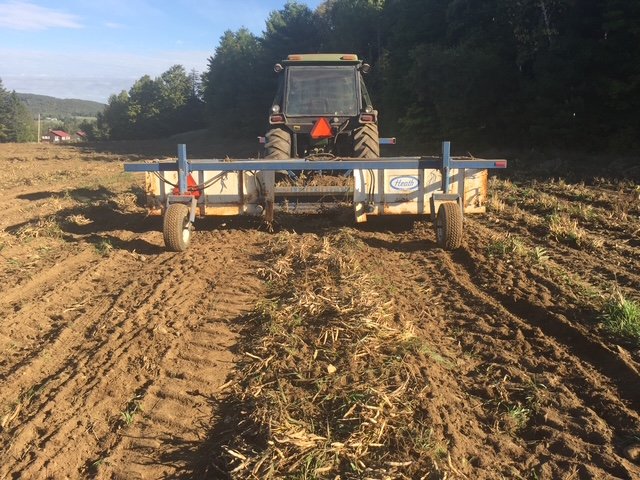
Good soil, as in full of well fed, happy soil organisms, is not only fertile, it's also resilient: it can absorb and store lots of water. Now, as the climate crisis brings more prolonged periods of drought and more torrential rainfall events, good soil mitigates the consequences of both: too much and too little rain. The secret to 'good soil' lies in what's called a long rotation: for three to four years Seth grows a mix of alfalfa and timothy for hay, then beans are planted. They can sequester nitrogen from the air and convert it into fertiliser in their root nodules, and they help suppress weeds. The Johnsons grow eight to ten different beans, often trying out new varieties to "keep it interesting for our customers". After the beans come corn, wheat and sunflowers before it's time again to give the fields a rest and plant grasses for hay. The cattle help prevent food waste by gleaning after the harvest and they fertilise the ground as they go along.
How it all began....
The family is originally from Minnesota where Seth's grandfather had a farm. Seth's father made his career as concrete contractor in Massachusetts, but he didn't like the busy and densely populated East Coast and wanted his sons to grow up in a rural environment and experience nature. The family bought the small Vermont farm when Seth was 13. He was meant to study agriculture and come home to farm with his dad. That, at least, was the plan...
Seth and Jeannette were high school sweethearts. A college in southwest Michigan offered a combination of courses that suited both. For his internship Seth returned to Vermont, to work on Butter Works organic farm, renowned for its excellent dairy products. For Seth it was not only his first experience of how well an organic system works and how a small independent farm can produce food for the local community and sell directly to customers - farmer and organic pioneer Jack Lazor also became his friend and mentor. And a mentor Seth did need.
Just when he left the ag college with a degree in field crop production and a bachelor in farm technology his father died. For his dad the farm certainly had been more than a hobby, but not yet a sustainable business, that's what he had wanted to create together with Seth. The Johnsons knew they would need time and money to transform the farm. Both Jeannette and Seth worked off farm while Jack Lazor helped them to slowly build and expand the business.
Grown, processed and packed on farm
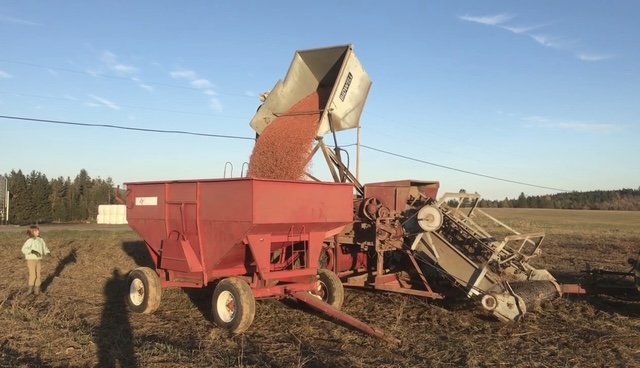
The plan was to grow grains and beans, process them on the farm and sell them directly to customers. By 2013, they had managed to buy all necessary equipment to mill the grains and clean, sort and pack the beans. In particular the beans needed a lot of highly specialised equipment - from a gravity table to a spiral separator...
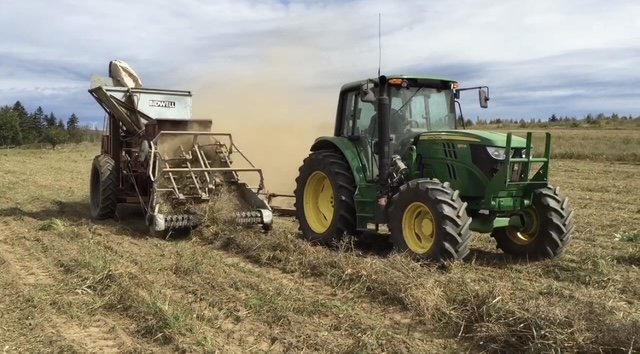
"Lots of moving parts and irons in the fire" is still the Johnson motto. There is the patchwork of land Seth farms, he bought a large combine which allows him to not only harvest all his crops but do contract work for other farmers as well. To support the farm, he used to drive trucks for a local logging company - today he trucks hay to customers in the wintertime and delivers the farm's products to shops and coops. As great as all the Morningstar Farm produce may be - selling directly means building and maintaining good relationships to customers, too. That's mostly Jeannette's job and she is obviously as good at it as Seth is at growing beans - which is why the Heirloom Bean Co. is able to offer you a variety of fabulous organic beans from the Northeast Kingdom of Vermont.