Double-click to edit...
Many US states are shaped as if someone had used a toddler's straight edged wooden puzzle pieces to design them. New York state is no exception. New York City is situated at the southern tip, then the state border follows the Hudson River north to Lake Ontario. From there the state veers west to Buffalo and Lake Erie, both lakes bisected by the angular lines of the US-Canada border. The Great Lakes were shaped during the ice age, as were eleven, much smaller long and narrow lakes which are known as 'Finger Lakes'. The Martens' family farm is situated on the west side of Lake Seneca, the largest of the Finger Lakes.
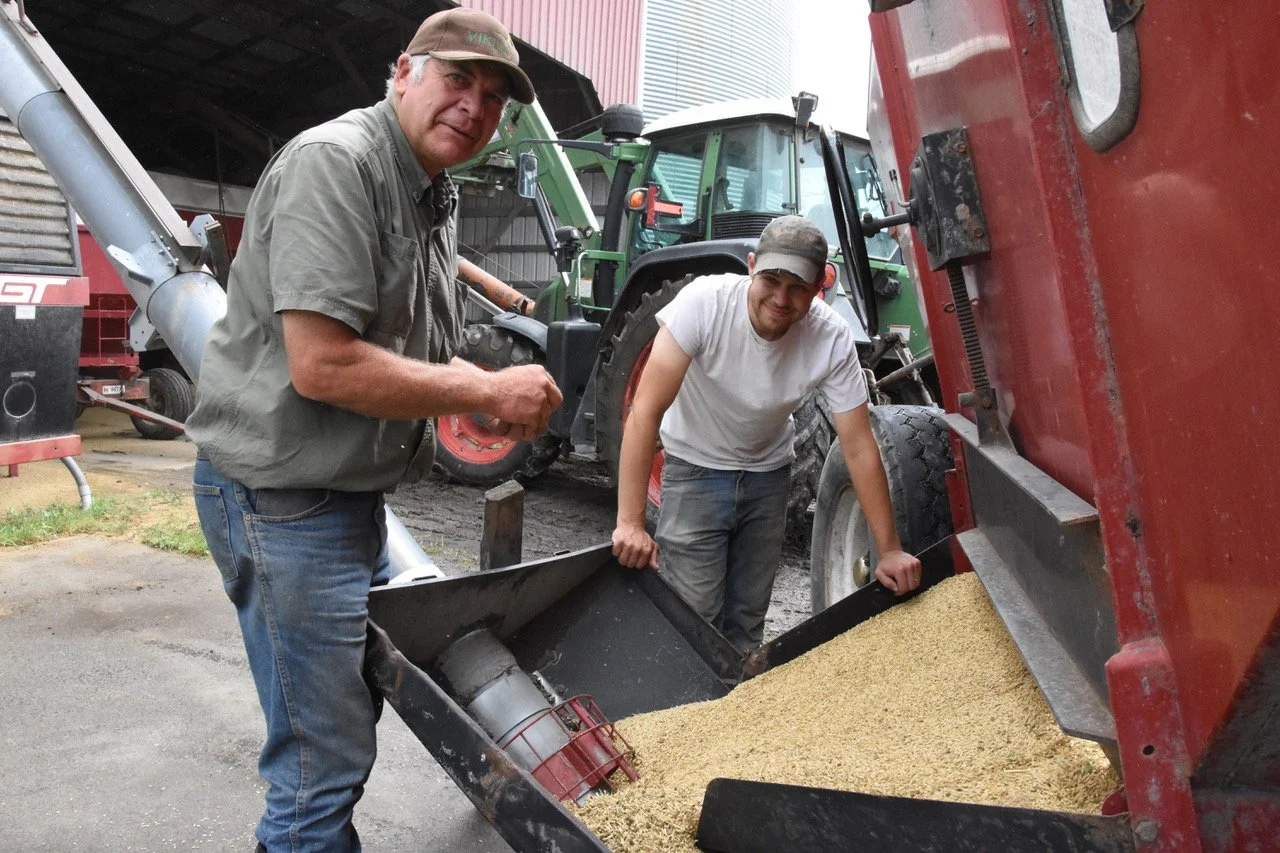
Klaas Martens and his son Peter farm 650 ha and grow some 30 different crops, maize, grains such as malting barley, wheat and heritage grains and of course beans.
Going organic
When Klaas Martens returned to the family farm after university he was eager to introduce the latest technologies and products the agrochemical industry had to offer, from hybrid seeds to a new generation of herbicides that had just come on the market. Things changed dramatically, when one day he climbed down from the sprayer and could no longer feel and move one arm. He says he has no proof that the herbicides he sprayed caused the paralysis, but he thought it to be highly likely. After a conversation with his wife, Mary-Howell, the Martens took the decision to go organic. Over the following months, while he slowly regained sensation and mobility in his arm, he went back to nearby Cornell University to read up on organic agriculture, not just best practices, but its history, too.
The farm has been certified organic for many years. Reading, running on farm field trials and sharing the findings with likeminded farmers and scientists at Cornell have allowed Martens to transform the farm into a rich, biodiverse ecosystem with good soils, good yields and no need for chemical fertiliser and herbicides.
Indicator plants
"Farmers ask the wrong questions. When their agronomist sees weeds, he says: kill them. The right question is: why are they here? What can they teach me? It is the attitude: Do we see something that needs to be killed or do I see an imbalance?", says Martens.
"Every field tells a story", he says, the plants indicate not only what may cause an imbalance, they also can help fix it.
As was the case with beans. When the first European settlers arrived in the region, indigenous people introduced them to maize and beans. For decades farmers thrived, until the mid-20th century "beans paid mortgages", says Martens. Until they didn't. Microscopic worms called nematodes and fungi in the soil reduced yields to the point where farmers stopped growing them. Martens asked a different question: how can we change the soil environment so that it's bad for nematodes and good for beans? Together with scientists from Cornell University he experimented among other crops with mustard and buckwheat. As it turned out, both successfully get rid of nematodes. These days, Peter Martens is an expert grower of pinto, cranberry and Rojo chiquito beans - to name but three varieties the Heirloom Bean Company buys from Seneca Grain & Bean.
Building community and meeting the neighbours
Nowadays, son Peter Martens is taking on much of the day to day farm work leaves Klaas Martens more time to do research and engage with the neighbours...
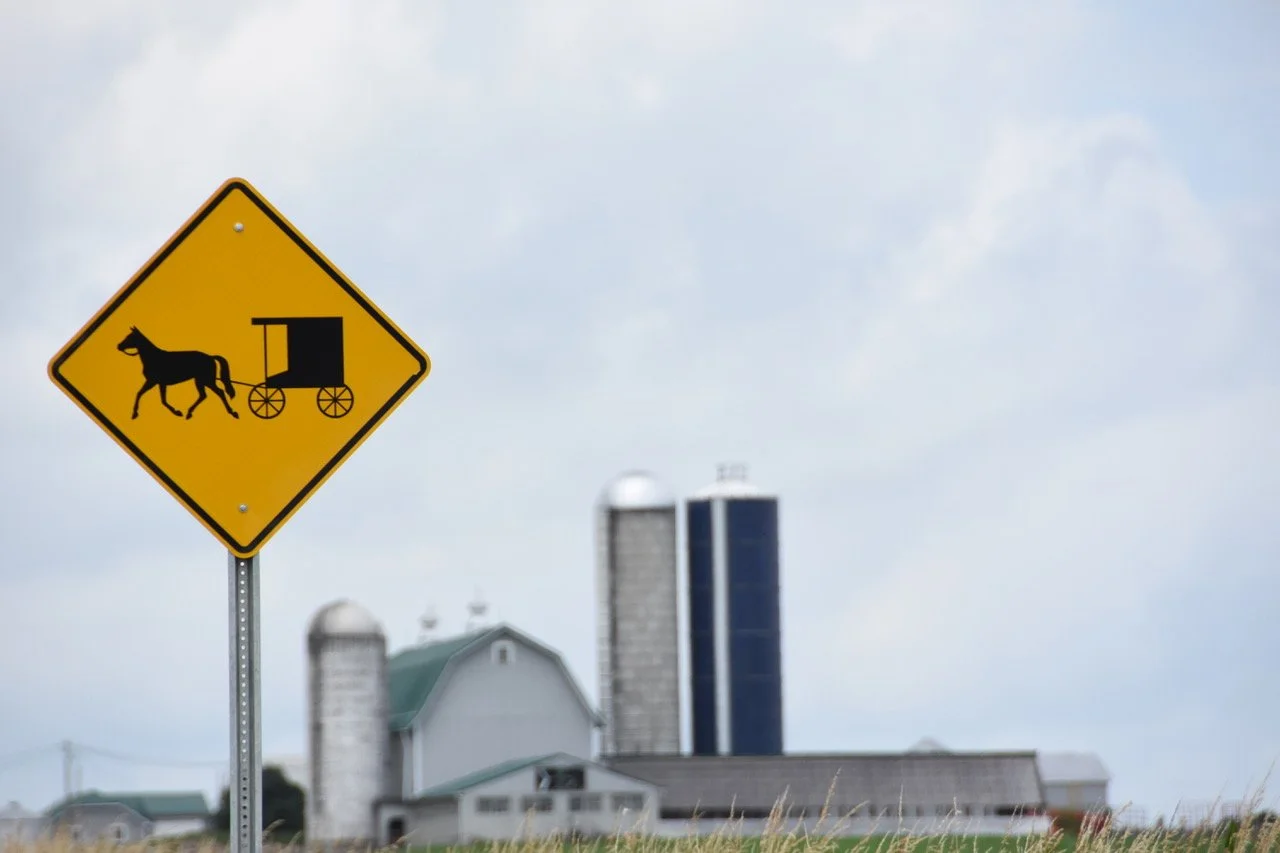
Farming does not happen in isolation; for Martens, the community in which he lives, the neighboring farm families, many of them Amish and Mennonite, are as important as scientific research. For him, everything hinges on community and what he calls ‘community knowledge’. A practical way to building community is the ‘agricultural circle’ which Martens organises during the winter months. "We sit in a circle because we are all equal and then we talk about issues and try to come up with solutions", he says. "Sometimes the decision is taken that more information and training is needed – for example how to read and interpret a soil test correctly – but we don’t give recipes, we don’t have them, it is all about observation and sharing".
Five years ago, Klaas Martens was invited to speak to the Mohawk people who very recently received some of their ancestral land back. Since then, a relationship based on mutual trust and respect has developed. The Mohawk have asked the Martens family to grow their sacred white corn for them, and they are sharing their knowledge about the many traditional bean varieties they used to grow and want to grow again. "I am learning a lot", says Martens, "the Mohawk cultivate so many beans we've never even heard of and eventually we'd love to grow them with their permission". So, watch this space....
If you want to read more about organic and regenerative agriculture, soil health, climate and agricultural pioneers like Klaas Martens, please check out: Farming with Benefits: Profitable Farms. Healthy Food. Greener Planet by Marianne Landzettel