The San Franciscano Chronicles
Last November, we travelled around Mexico and met many of the hard-working farmers who grow our wonderful heirloom beans. While there we signed fair-trade agreements promising them security in the event of a ‘force majeure’ crop loss
San Franciscano beans - perfect to grow and to eat, not just in Hidalgo
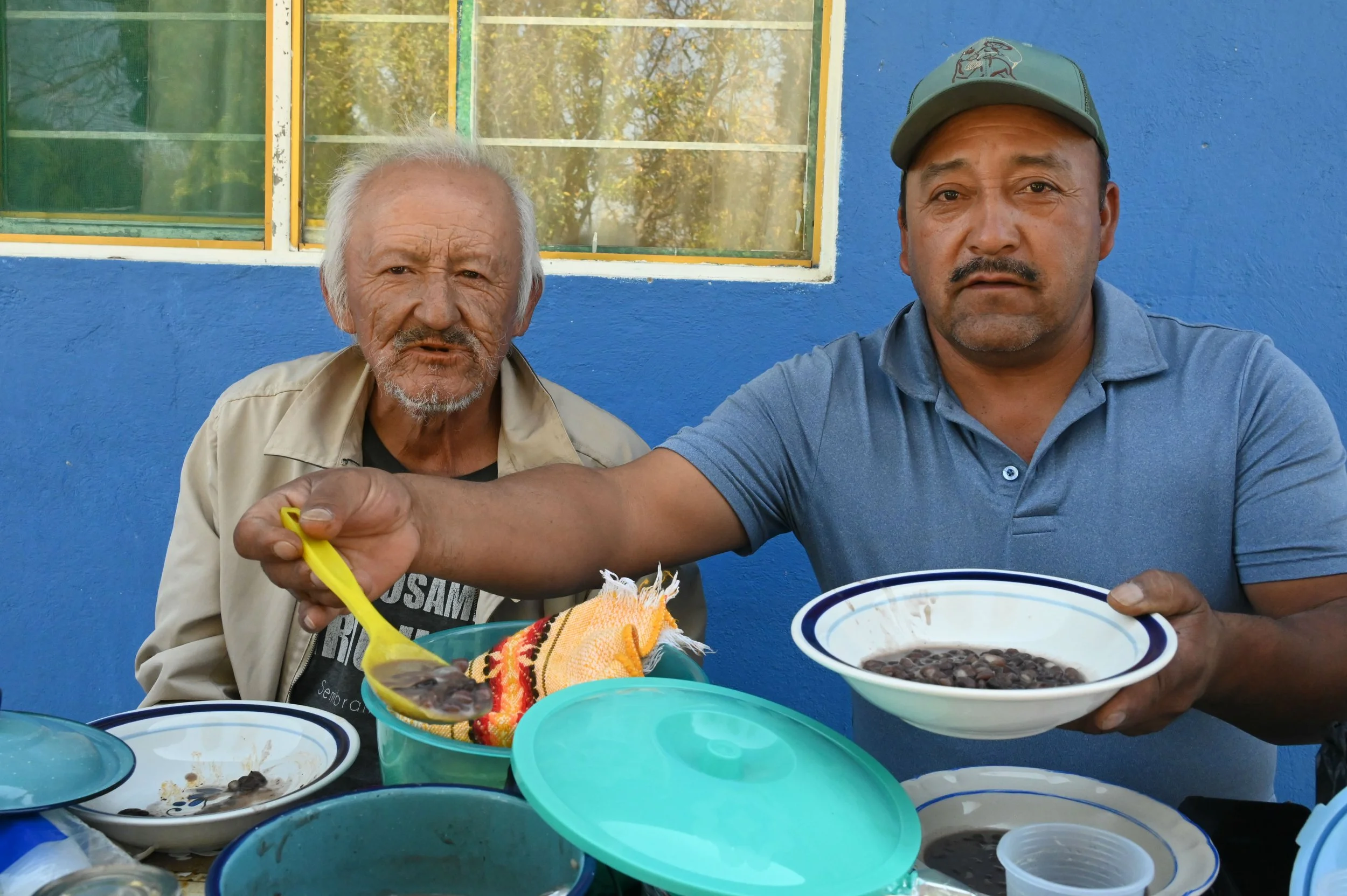
From Mexico City it takes about an hour and a half to get to Jesus Abel Monroy's 13 hectare farm in the state of Hidalgo. The region is mountainous and arid - only mesquite bushes and cacti thrive. Nopal (prickly pear) cacti grow wild or in plantations, with their flat, wide 'ears' and red fruit they make for a delicious vegetable - as well as excellent fences. The organ pipe cacti give the landscape a distinct character, as if one had stepped into José María Velasco painting.
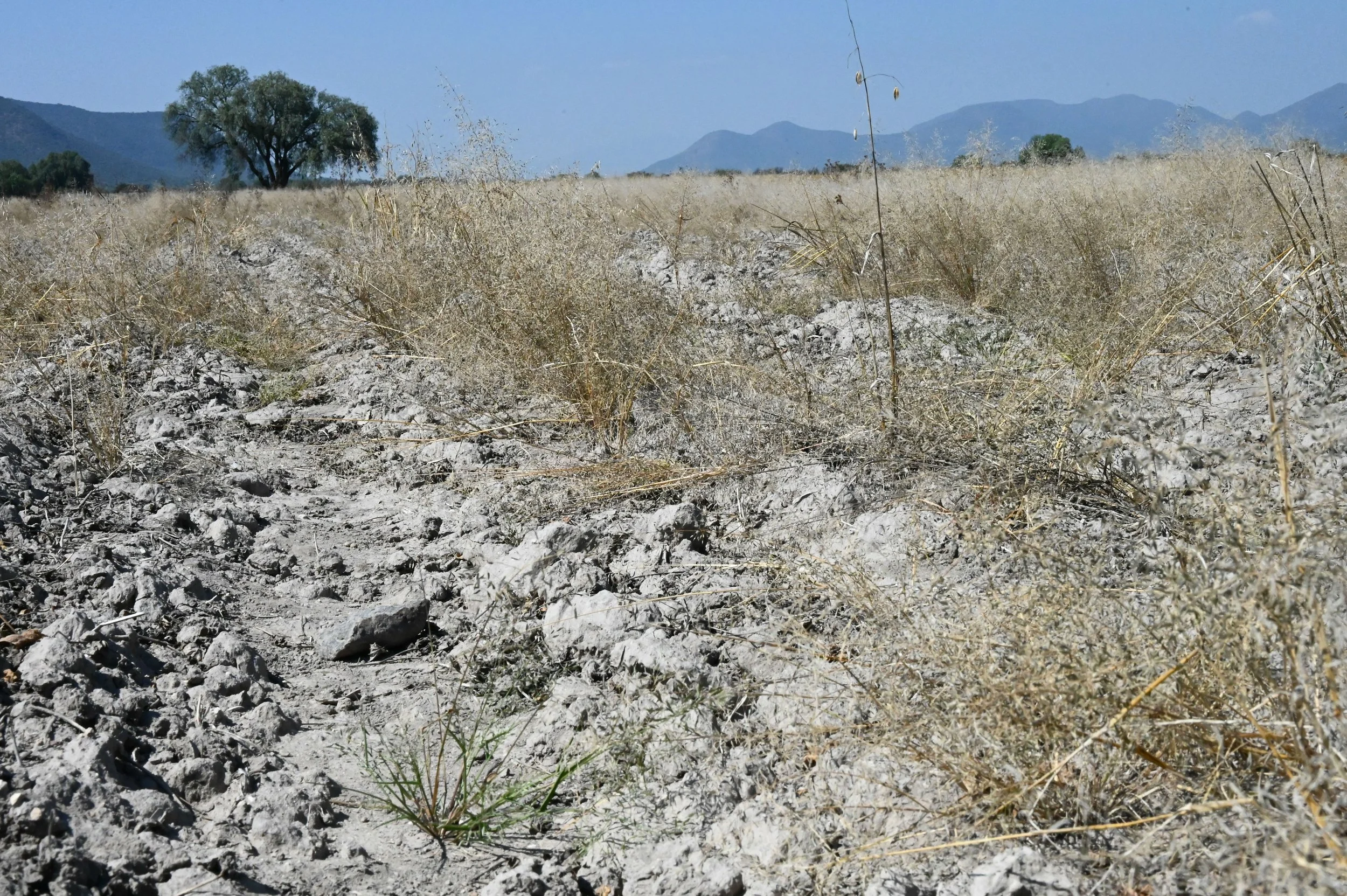
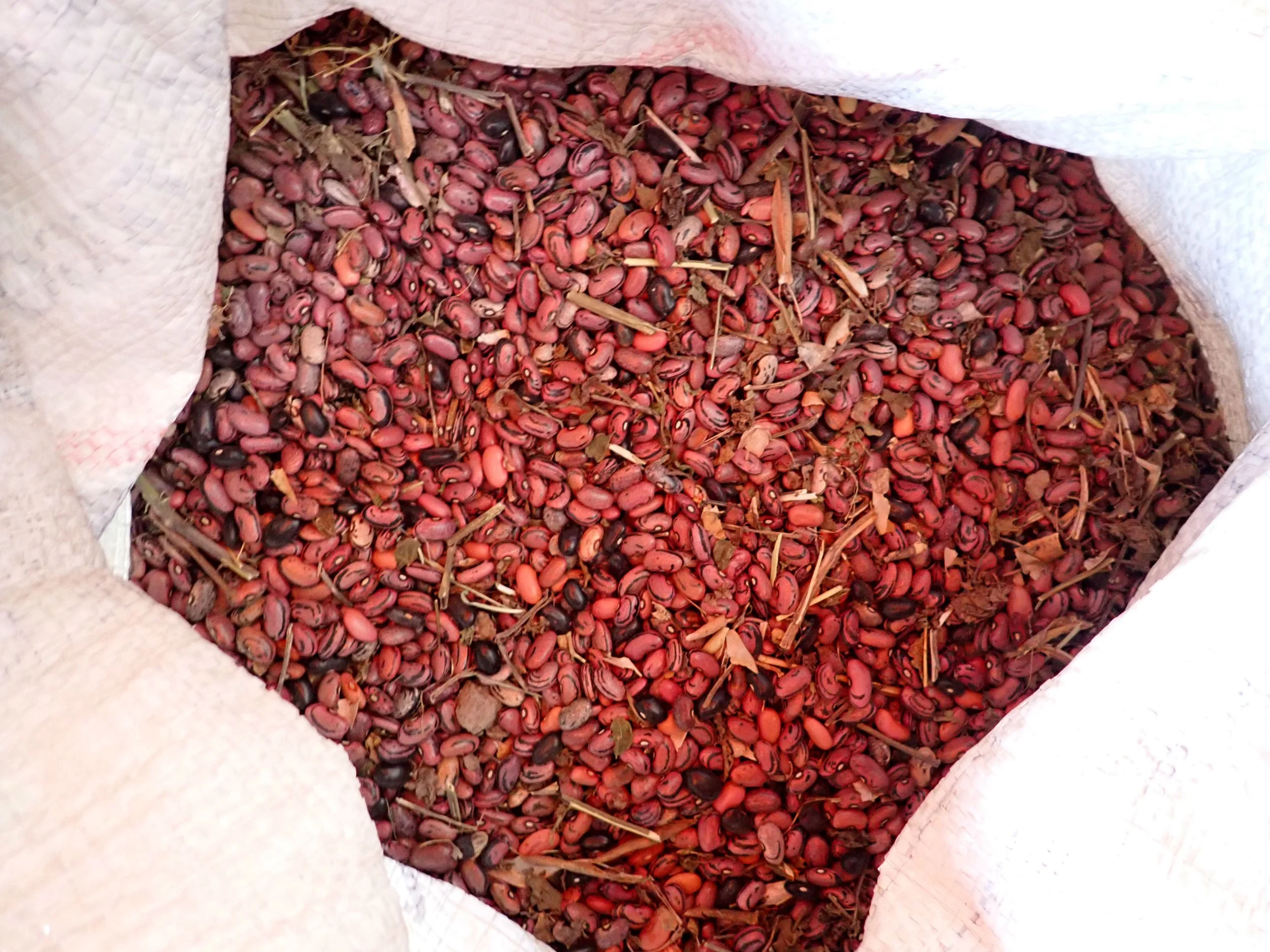
It's been much drier in the last few years, says Monroy. And when it rains it often rains so hard that the dry, cracked soil can't absorb the water and it simply runs off. Monroy grows corn, barley, oats and a range of beans. Flor de Mayo, Pinto, Negro grande and Peruano all do OK. They have a short growing season of just three months and can go into the ground as late as the beginning of July. His favourite bean is the San Franciscano, a purple-reddish bean with delicate black markings which has been grown in the region for a long time. This heritage variety has a longer growing season and therefore develops longer, stronger roots which helps it to withstand drought better. Monroy plants it in May - if and as soon as there is enough soil moisture. The San Franciscano is also heat tolerant, only during the flowering period it can't deal with extreme heat.
Traditional bean and corn varieties are popular and in demand in local markets, but prices aren't great. The most profitable crop is barley - but only if the quality meets the specification of the local beer brewer.
Monroy's friend Martín Hernandez had hoped for a decent barley yield, but then the drought struck, the crop is stunted and only makes for decent cattle feed. Hernandez owns just five hectares of land, a few cows and 30 sheep - not enough to make ends meet. Which is why, every evening, he takes four different buses to get to Mexico City, where he cleans offices for a couple of hours. He'll sleep on the floor in one of the buildings until it's time to board the first bus home. He usually arrives back around 11am and heads straight to his field.
Like Monroy he'd like to grow and sell more beans. To clean the beans the men use Hernandez' old corn dehusker. "It's great", says Hernandez, "stalks, leaves and hulls make for good animal fodder." Both sell their beans in bulk in 25kg sacks. At our Mexican export trading partner they are carefully sorted, cleaned, polished and packed.
Via this exporter The Heirloom Bean Co also pays a Fair Trade premium to co-finance an advance at the time of planting. In case of crop losses as a result of a severe weather event the advance does not have to be repaid. By sharing the risk of growing expensive heirloom varieties bean we help farmers to be more sustainable - and maybe one day Hernandez won't need to clean offices anymore.
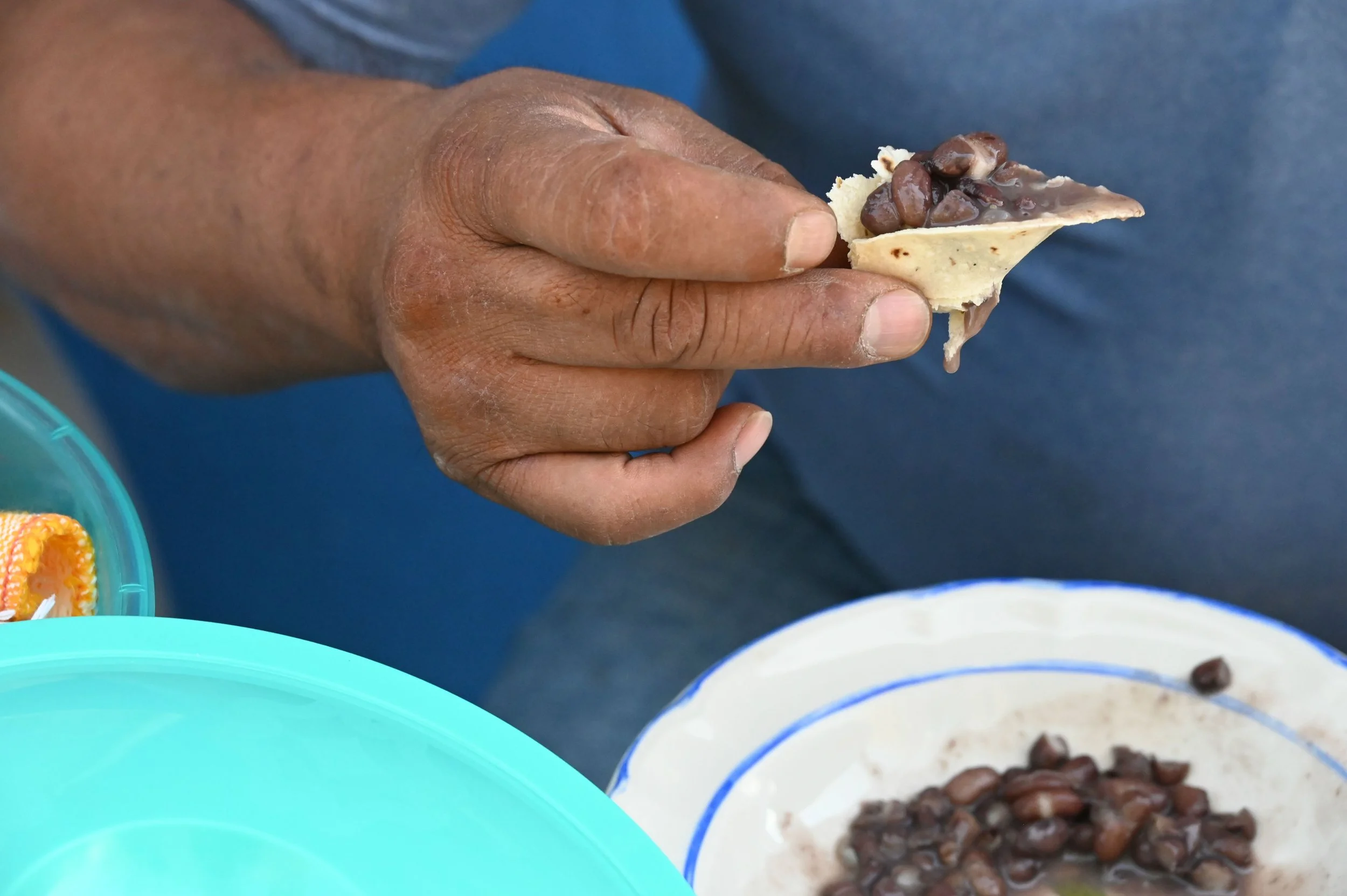
To help achieve this, we bean lovers just have to eat a lot more beans – like San Franciscano beans, which can make a perfect lunch: Hernandez wife prepared dobleritas for all of us, a food the men often take with them to the fields: corn tortillas filled with cheese and chili passilla, small, dark, dried chilies. Best eaten with boiled eggs and a plate of San Franciscano beans, simply cooked in water with salt and onions and topped with habanero chillies.
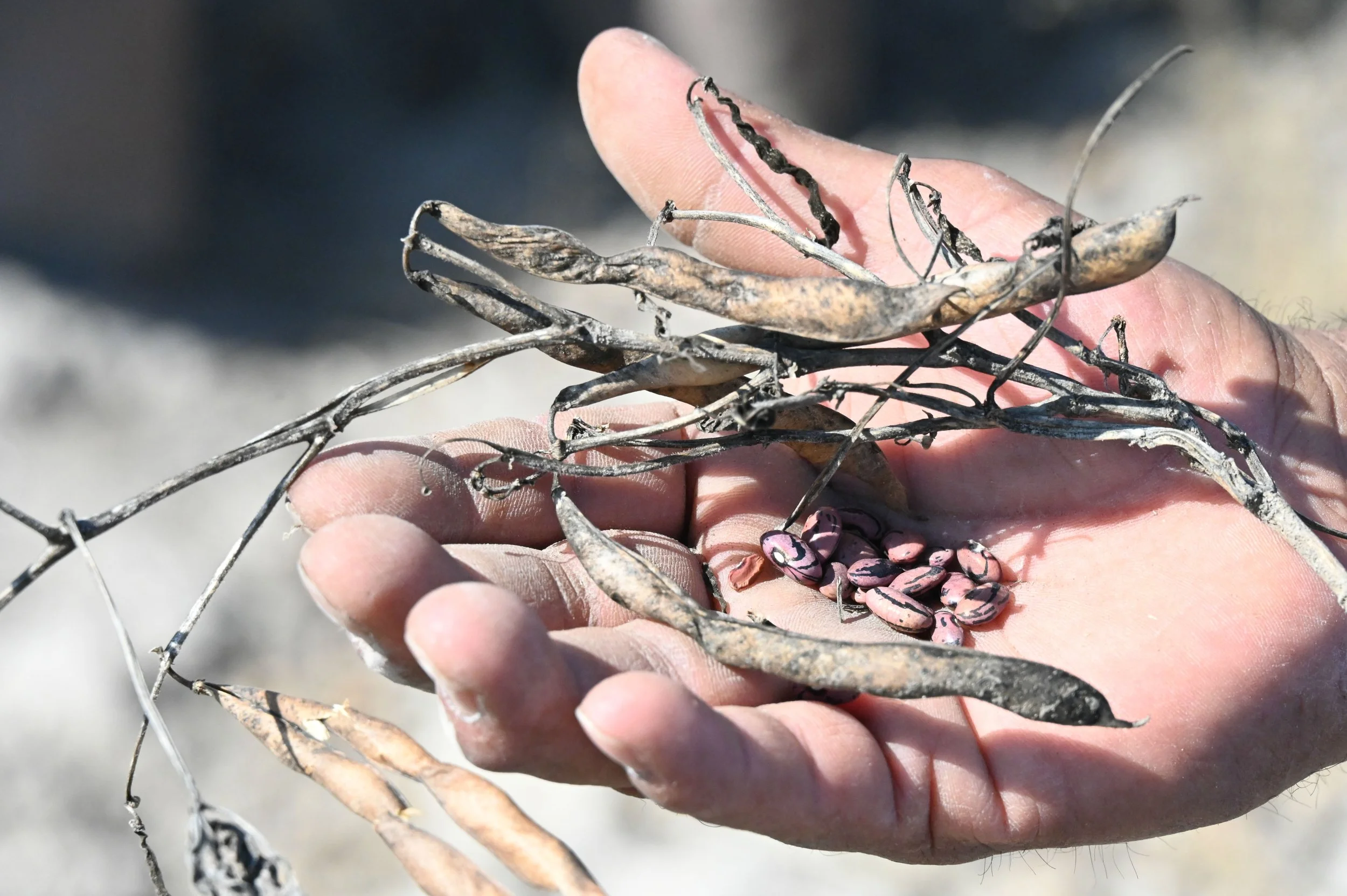
Words by Marianne Landzettel; photos by Martin Kunz
Double-click to edit...