
‘We love what we do and we are proud of it’ - the latest tale from our Mexican producers
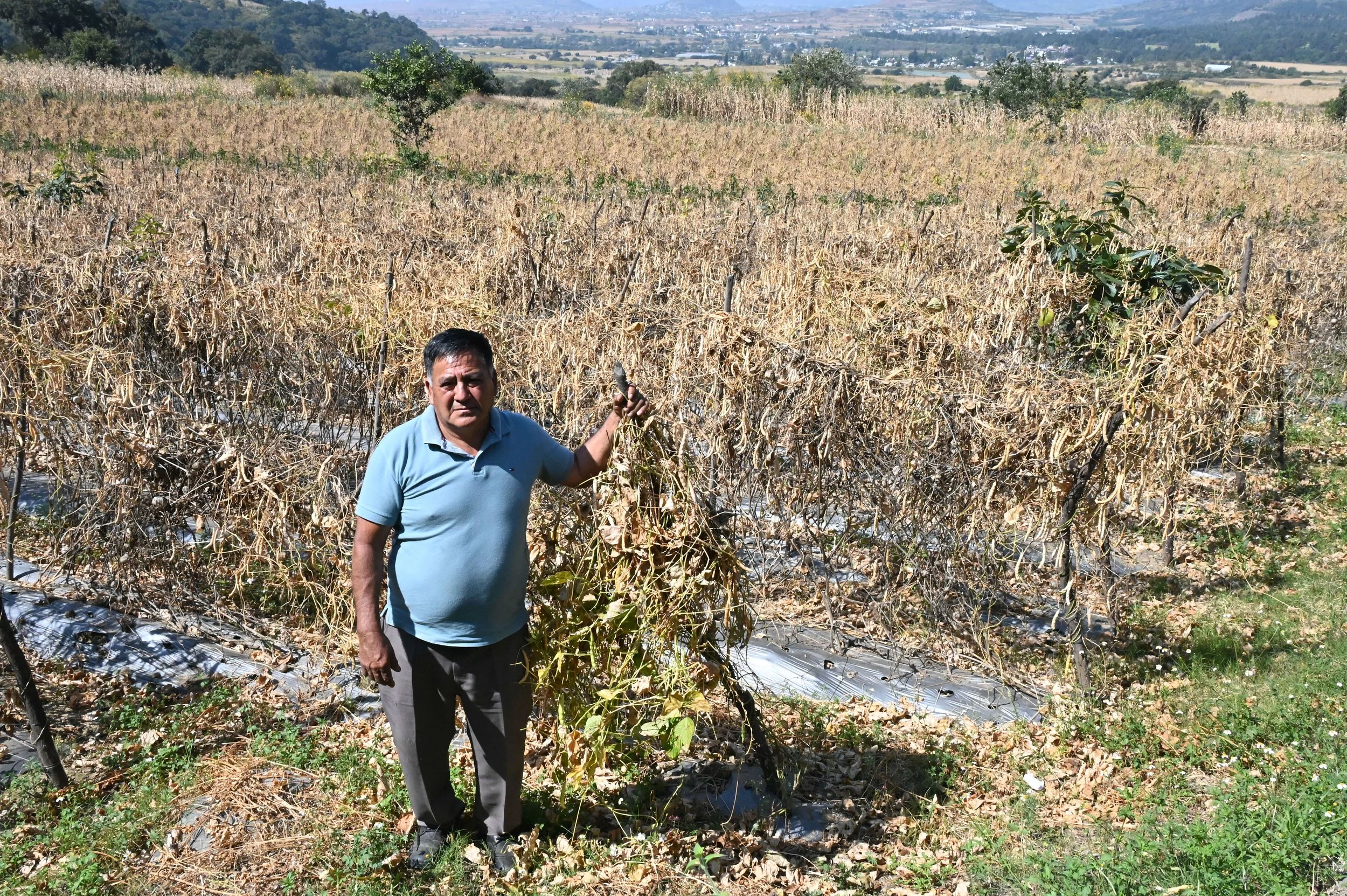
Rogelio Ivara Sr and his son, Rogelio Ivara Jr farm near Ozumba, a market town and agricultural trade hub some 60 km south of Mexico City. Farmers come to buy seeds, fertiliser and agricultural machinery, there are repair shops, second hand dealers and several markets. Maize, beans and amaranth are staple crops, but a lot more money can be made with fruits and vegetables such as cucumbers or red and green tomatoes. On their farm the Ivaras specialise in growing traditional maize and bean varieties for seed. They work closely with about a hundred bean growers in the region, some have several hectares of land, others just 200sqm - which is basically a large garden.
For the Ivaras, farming is a family affair. Ivara Sr, now aged 60, was a teenager when he began working with his Dad. Ivara Jr, too, joined the business at a young age and is very proud that his sons, aged four and seven are starting to show an interest in beans as well. The Ivaras grow 35 bean varieties for seed, a labour intensive job: seed breeders focus on choosing the best seeds for propagation which means that over the years they will have varieties that are well adapted to local conditions. Through observation and experience over time, breeders develop a deep knowledge of the potential a variety holds: is it drought resistant, heat tolerant, can it be planted early or very late to make use of the end of the growing season - which, due to the climate crisis, is getting longer?
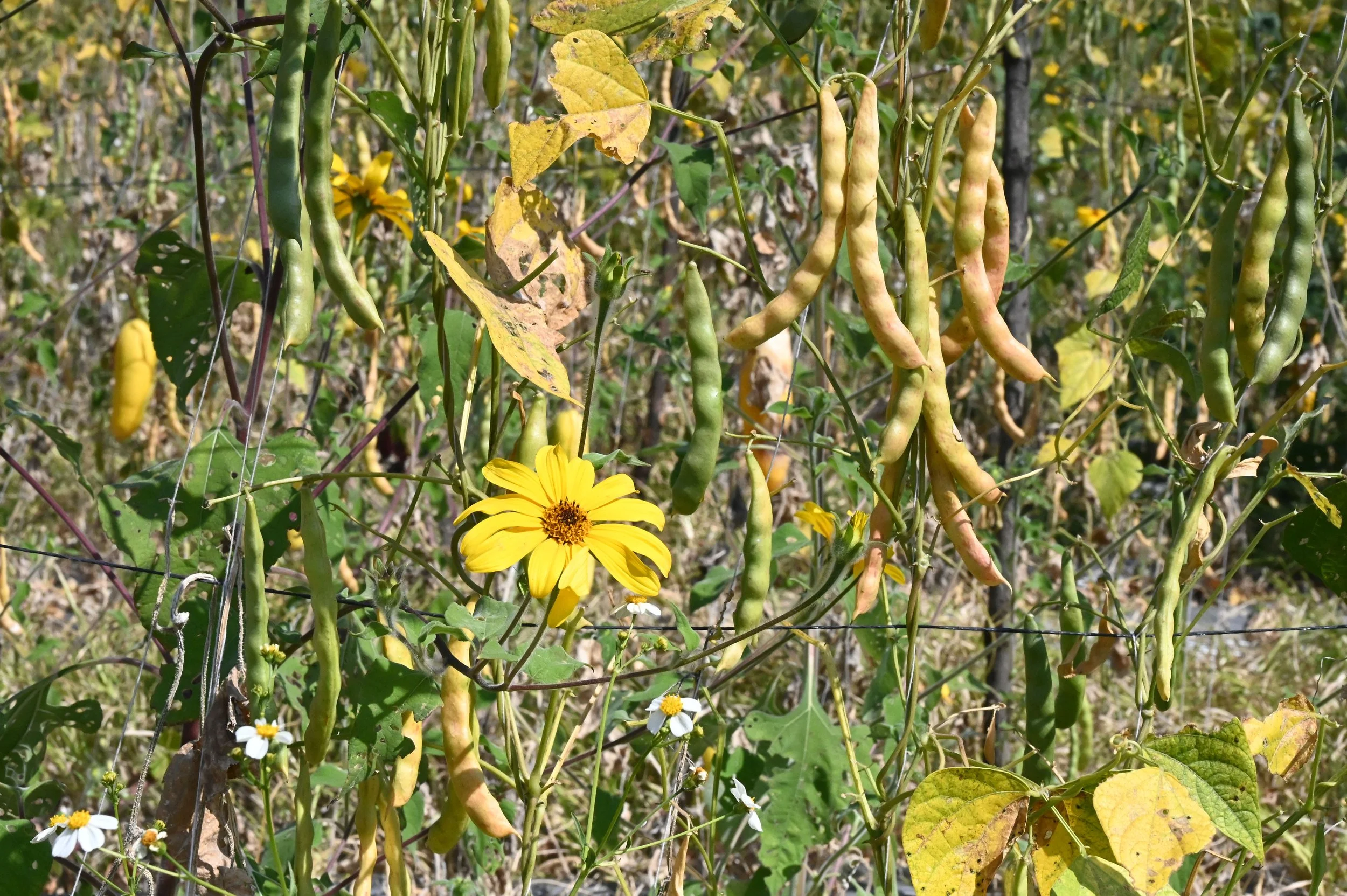
The Ivaras share their knowledge and advise farmers what to plant and where, depending not just on soil and weather conditions, but also in view of what customers want. It turns out that in Mexico beans can be in fashion and high demand one year but not the next. Farmers can sell beans and corn through auction, through the market in Ozumba, or directly to the Ivaras who buy on average 15 tons per year.
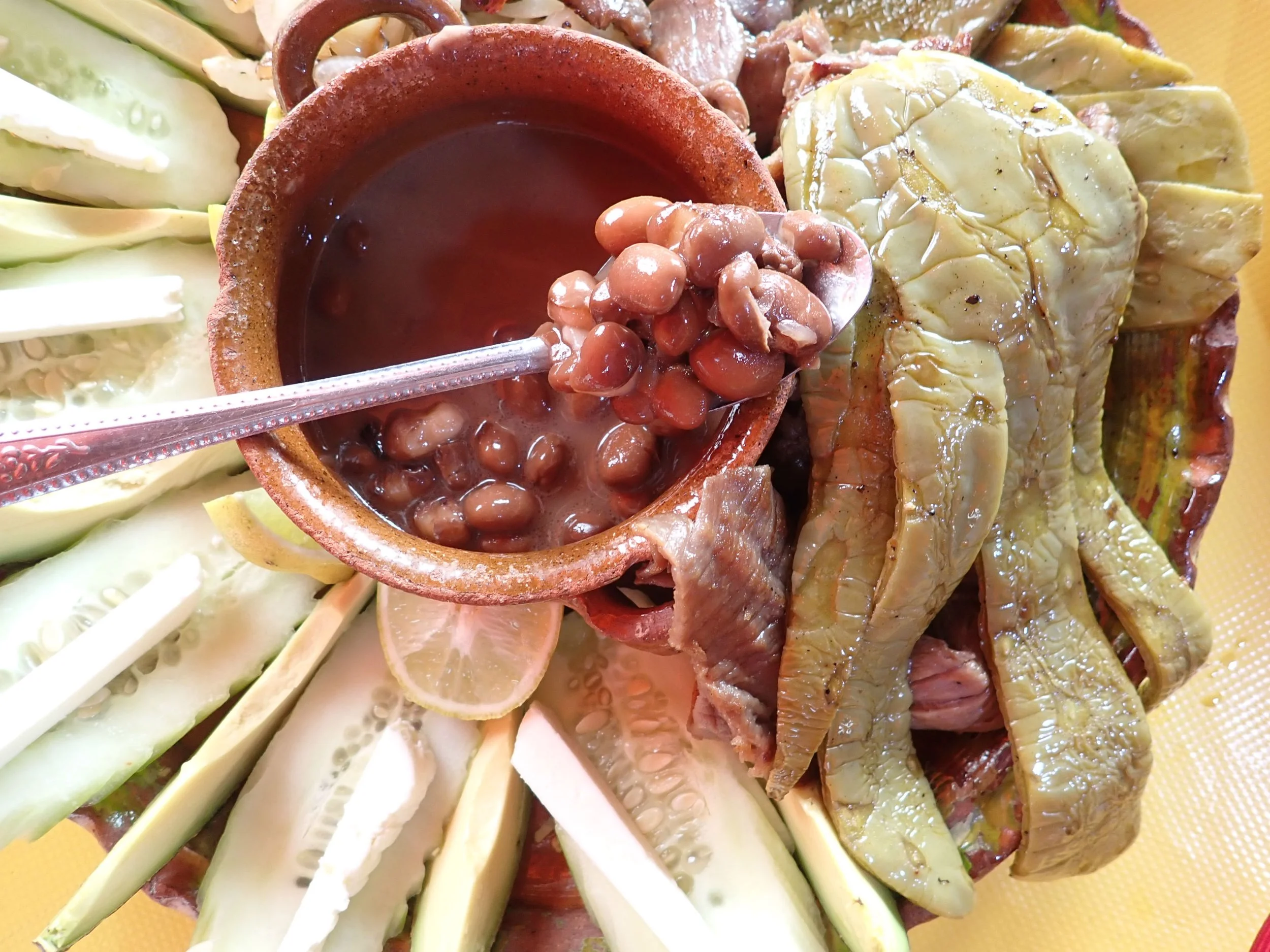
The beans are cleaned and packed into 25kg sacks, ready for pickup by whole sale buyers. ‘We love what we do and we are proud of it,’ says Rogelio Ivara. ‘Beans are the backbone of agriculture in this region,’ he explains. Vegetables, especially tomatoes, are a high value crop, but also a fickle one: an adverse weather event, a pest or a disease like mildew - and it’s gone. Beans are not only more resilient, they can also be dried and stored which helps farmers to manage risk and farm more sustainably.
Daniel, one of the growers they work with, started growing beans together with tomatoes five years ago. The tomato market had become very volatile: in the rare seasons when the harvest was good, prices dropped and some farmers ended up with a loss. Tomatoes need a pole for support which makes growing beans an obvious choice. Green tomatoes can be grown together with beans, red tomatoes have to be harvested before the beans can be planted.
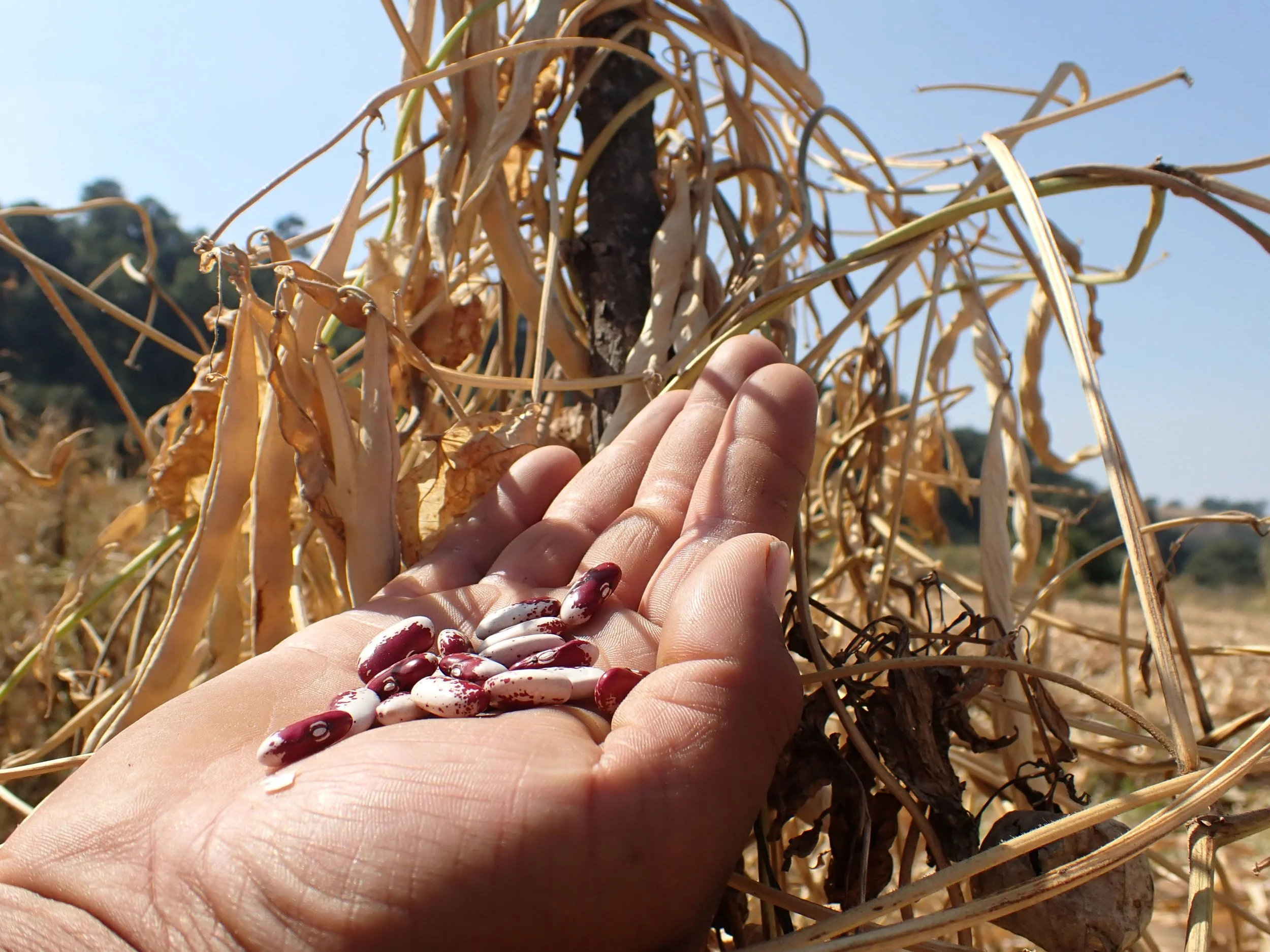
The varieties that can be grown in the Ozumba region include the beautiful, scarlet red Sangre de Torro, Vaquitas, Amarillos and Palacios. From experience the Ivaras know that flor de mayo beans do well, and Chinos and Peruanos are more heat tolerant. Ensaladias, also known as Cappuccino beans, can be coffee brown in colour or come as a natural mix of brown, pink, red and yellow. Sometimes there are even blue speckled ones: ‘these beans are totally unpredictable’ says Ivaras Jr. But to grow they need a little more moisture than the other varieties.
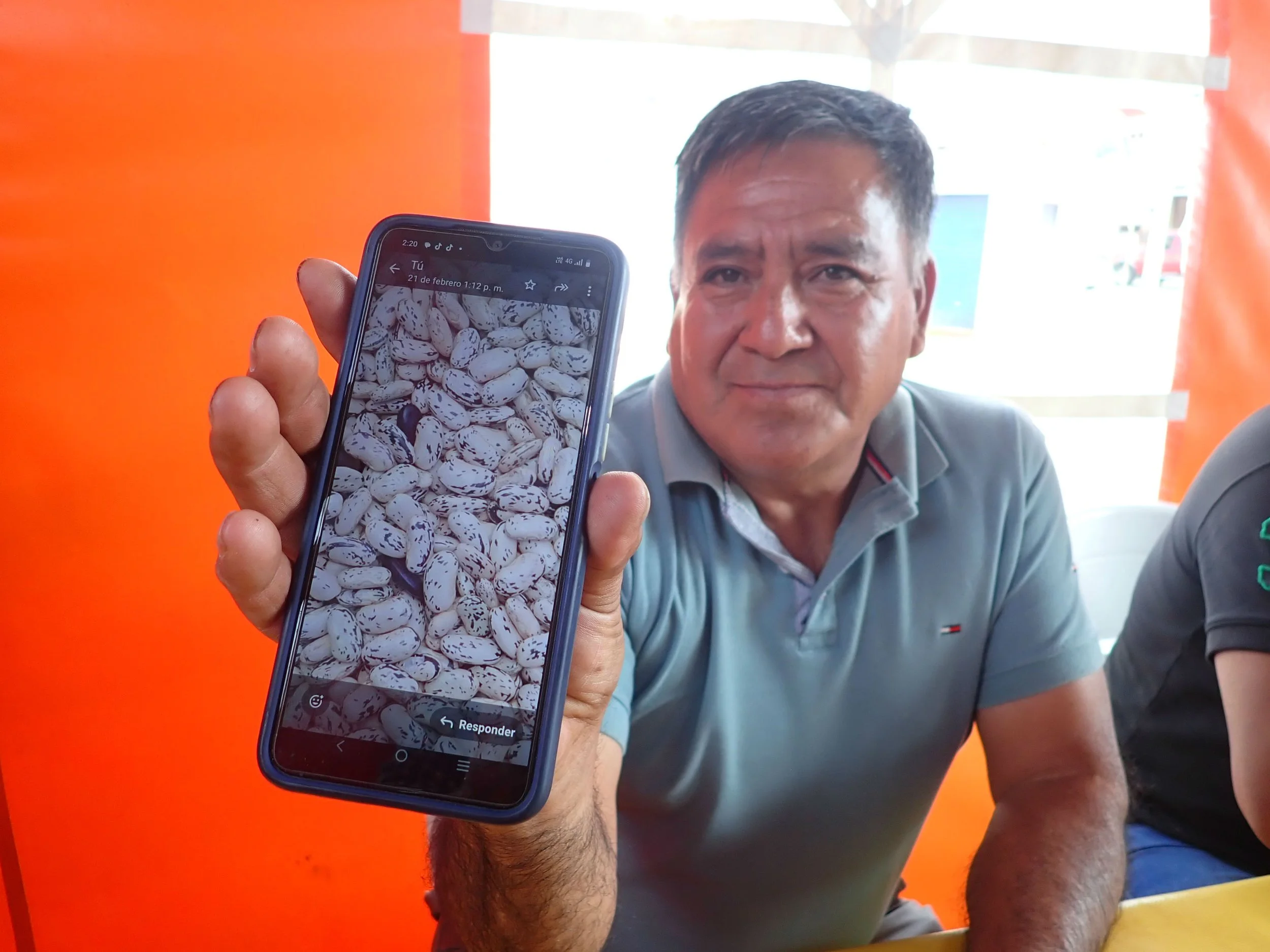
Via the exporter the The Heirloom Bean Co. pays a Fair Trade premium to co-finance an advance at the time of planting. In case of crop losses because of a severe weather event the advance does not have to be repaid. By sharing the risk of growing expensive varieties in a traditional way, we help to preserve the ever expanding knowledge farmers like the Iveras have to work with beans in a sustainable way and adapt varieties to the wildly varying growing conditions that are the new normal.
Words by Marianne Landzettel; pictures by Martin Kunz
